Exporting industrial goods involves more than arranging transportation and preparing documentation. The product must also be packaged for a journey that may include road transport, warehouse handling, container loading, port operations and international shipping.
This makes export packaging an important consideration for manufacturing businesses in Pune.
OM INDIA works with industrial packaging requirements in Pune, including packaging for equipment and goods intended for domestic and export movement. Understanding what export packaging involves can help businesses plan dispatches more efficiently.
How Is Export Packaging Different from Regular Packaging?
Domestic shipments may travel relatively short distances and remain within familiar logistics networks. Export shipments can experience longer transit periods and more handling stages.
Packaging may therefore need to address several factors simultaneously, including:
- Mechanical impact
- Vibration
- Humidity and moisture
- Repeated loading and unloading
- Long storage periods
- Stacking pressure
- Movement inside containers
The appropriate level of protection depends on the type and value of the goods being shipped.
Start with the Product
A practical export packaging plan begins with basic product information.
Weight is particularly important because it influences the base construction and overall structural strength. Dimensions determine how much space the shipment requires and may influence container planning.
Fragility and material composition should also be considered. Electrical equipment, machined components and fabricated steel assemblies can have very different protection requirements.
Lifting points and centre of gravity become especially relevant for large machines.
Select the Appropriate Packaging Format
Export goods can be packed using different formats depending on their requirements.
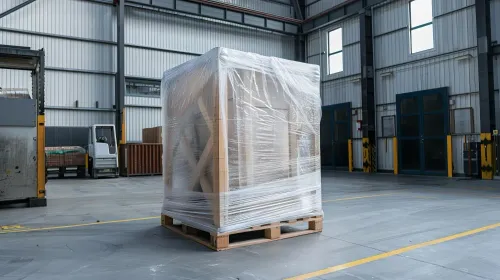
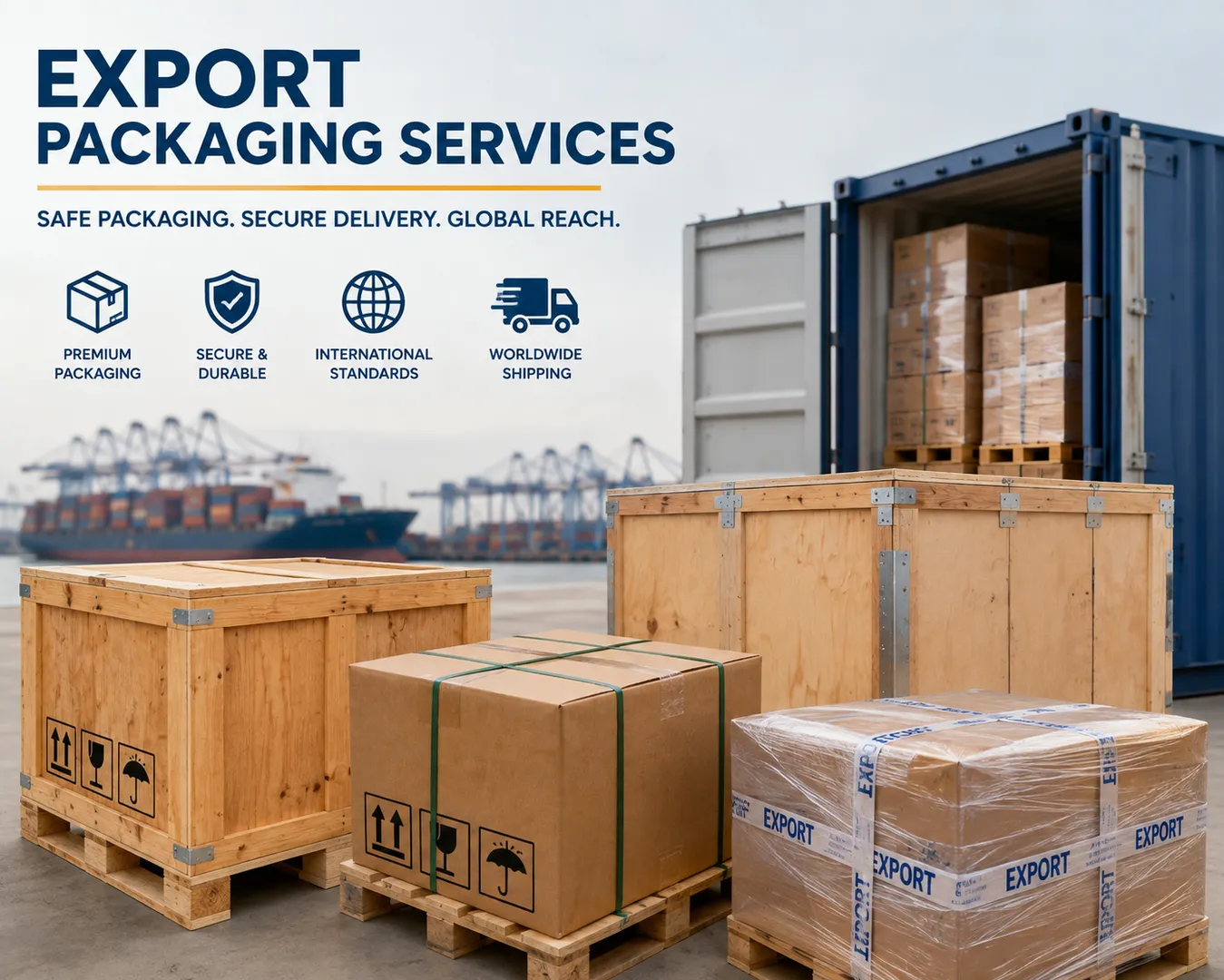
Wooden boxes provide substantial enclosure and are commonly used for machinery and components requiring physical protection.
Wooden crates can provide structural support while allowing a more open construction.
Nail less boxes may offer advantages for certain applications where assembly, handling or unpacking convenience is important.
Customised packaging becomes useful when standard dimensions or construction methods do not suit the product.
Consider the Complete Logistics Journey
Packaging should not be designed only around the first truck leaving a Pune factory.
Businesses should consider what happens afterward. Will the shipment be transferred to another vehicle? Will it enter a shipping container? Will forklifts handle it at multiple facilities? Could it remain stored before final delivery?
Thinking through these stages helps identify potential packaging weaknesses before dispatch.
Packaging as Part of Export Preparation
Manufacturers across Pune and Maharashtra increasingly operate within complex national and international supply chains. Packaging decisions can affect handling efficiency, space utilisation and the condition in which goods reach the next stage of their journey.
Export packaging services are most effective when the packaging provider receives accurate product and transportation information early in the process.
By evaluating the product's weight, dimensions, sensitivity, handling requirements and expected route, manufacturers can choose packaging that is appropriate for the actual shipment rather than relying on a standard solution for every consignment.
Keywords