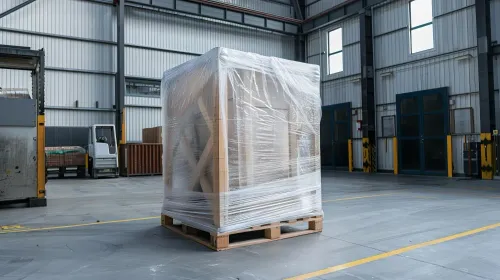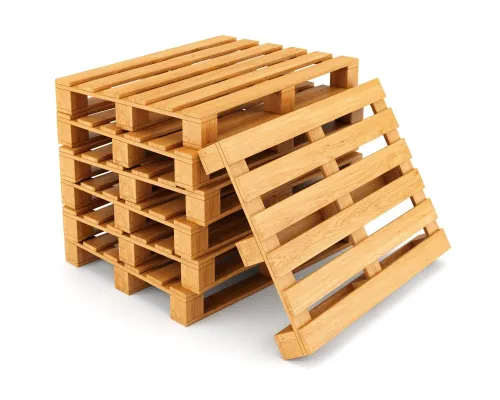

Industrial packaging does not always have to rely on conventional nailed wooden boxes. For selected products and supply chains, a Nail Less Box can provide a practical packaging format that combines protection with convenient assembly and handling.
Manufacturers in Pune considering this option should evaluate where nail less construction fits their products rather than treating it as a universal replacement for traditional wooden packaging.
What Is a Nail Less Box?
A nail less box is designed using a construction and fastening system that reduces or eliminates conventional nailing during routine assembly.
Depending on the design, this can make the packaging easier to assemble, open, close, handle, or store compared with some traditional wooden box formats.
Its suitability depends on load characteristics and transportation requirements.
Where Can It Be Useful?
Nail less packaging can be considered for applications such as:
- Engineering components
- Automotive parts
- Electrical products
- Industrial assemblies
- Spare parts
- Precision components
- Export consignments
- Repeated dispatch requirements
The product's weight and vulnerability should always be evaluated before selecting the box construction.
Easier Packing and Unpacking
One practical advantage of suitable nail less designs is simplified access.
Where packages need to be opened for inspection or carefully unpacked at the customer's facility, convenient fastening arrangements can make handling easier.
This can also reduce unnecessary damage to the box during opening where the design allows controlled disassembly.
Potential Storage Advantages
Some packaging formats can be stored more efficiently before assembly, depending on their construction.
For manufacturers managing recurring dispatches from Pune, storage efficiency can become relevant when packaging materials occupy valuable factory or warehouse floor space.
Internal Protection Still Matters
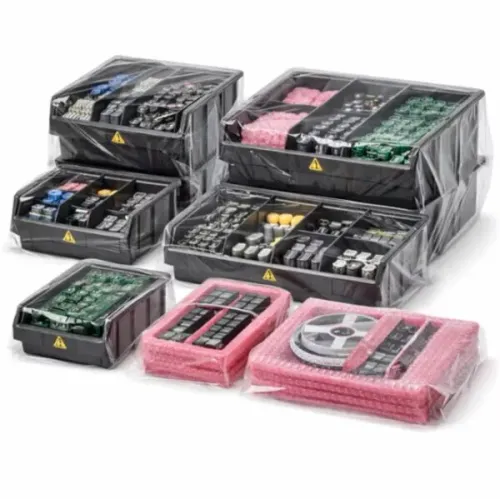
Choosing a nail less enclosure does not eliminate the need for proper internal packaging.
Products may still require:
- Cushioning
- Blocking
- Bracing
- Protective wrapping
- Moisture protection
- Surface protection
- Internal separation
The box provides the external structure, while internal packaging addresses product-specific vulnerabilities.
Compare According to Application
Traditional wooden boxes may remain preferable for some heavy or specialised loads, while nail less designs can be practical for other applications.
The choice should be based on weight, dimensions, handling frequency, transportation mode, storage, and destination requirements.
OM INDIA provides industrial packaging solutions for businesses in Pune, Maharashtra, including customised packaging configurations for different products. Manufacturers considering nail less boxes should evaluate the complete packaging requirement rather than focusing only on the fastening method.
The most suitable box is ultimately the one that balances structural protection, handling convenience, space requirements, and the conditions the product will encounter during transportation.
Keywords