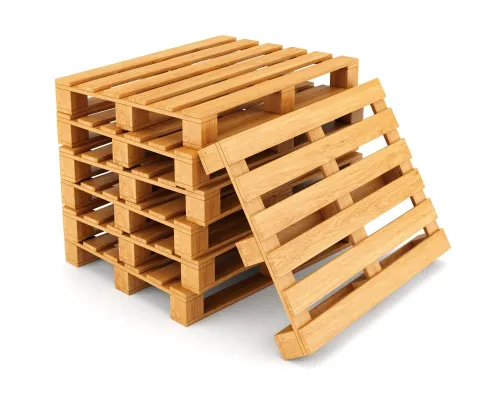

A Wooden Pallet forms the foundation of many industrial packaging and material-handling systems. Although pallet construction may appear straightforward, choosing an unsuitable design can result in unstable loads, difficult forklift handling, inefficient storage, or damaged products.
Manufacturing and engineering companies in Pune should select pallets according to actual operational requirements rather than dimensions alone.
Determine the Expected Load
Weight is one of the first factors to consider.
A pallet carrying lightweight packaged components has different requirements from one supporting dense metal parts or industrial machinery. Both total weight and weight distribution matter.
Concentrated loads can place considerable stress on specific sections of a pallet. Understanding where the weight sits helps determine the appropriate construction.
Match Dimensions to the Product
The pallet should provide appropriate support for the load without creating unnecessary excess dimensions.
If a product extends significantly beyond the pallet edges, exposed areas may become vulnerable during handling. Conversely, oversized pallets may waste valuable warehouse, vehicle, or container space.
Custom dimensions can be useful for non-standard machinery and fabricated components.
Consider Material Handling
Pallet design should reflect how the load will actually be moved.
Questions to consider include:
- Will forklifts be used?
- Is entry required from multiple sides?
- Will pallet trucks be involved?
- How frequently will the load be handled?
- Will the pallet enter warehouse racking?
- Will it be loaded into a container?
Answering these questions before production can prevent handling difficulties later.
Secure the Product Properly
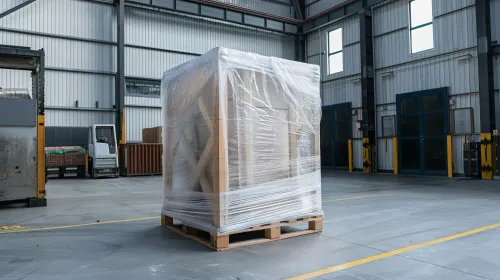
Placing equipment on a pallet does not automatically make it transport-ready.
The product may need to be secured using appropriate strapping, blocking, anchoring, wrapping, or other methods depending on its size and characteristics.
Movement during braking, turning, vibration, or loading can otherwise affect stability.
Consider Domestic and Export Use
A pallet used only for internal factory movement may have relatively straightforward requirements. Pallets intended for interstate or international transportation must account for a wider range of handling and environmental conditions.
Wood packaging used in international trade may also be subject to applicable requirements depending on the destination and shipment.
Pune's manufacturing ecosystem includes automotive, engineering, machinery, fabrication, and component businesses with highly varied load profiles.
OM INDIA provides packaging support for industrial businesses in Pune, including pallet-based solutions for different products and transportation conditions. Selecting a wooden pallet according to load, dimensions, handling method, storage requirements, and destination creates a stronger foundation for the overall packaging system.
Keywords