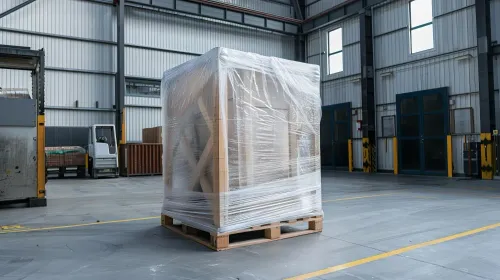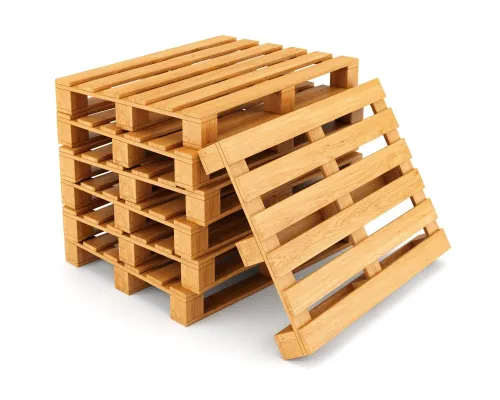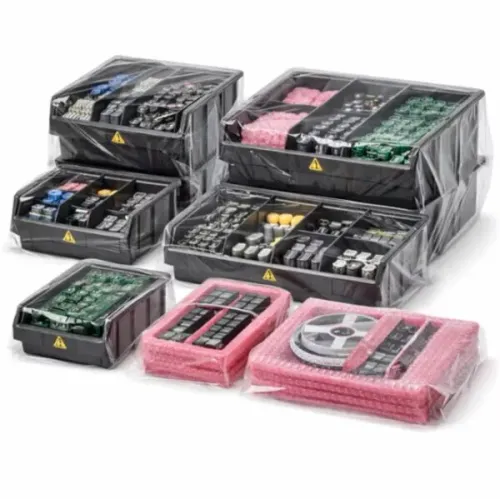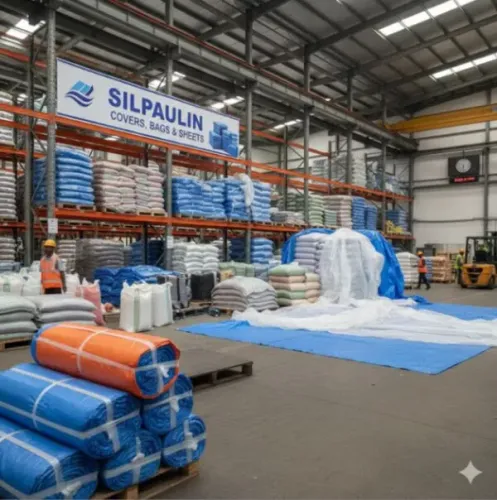
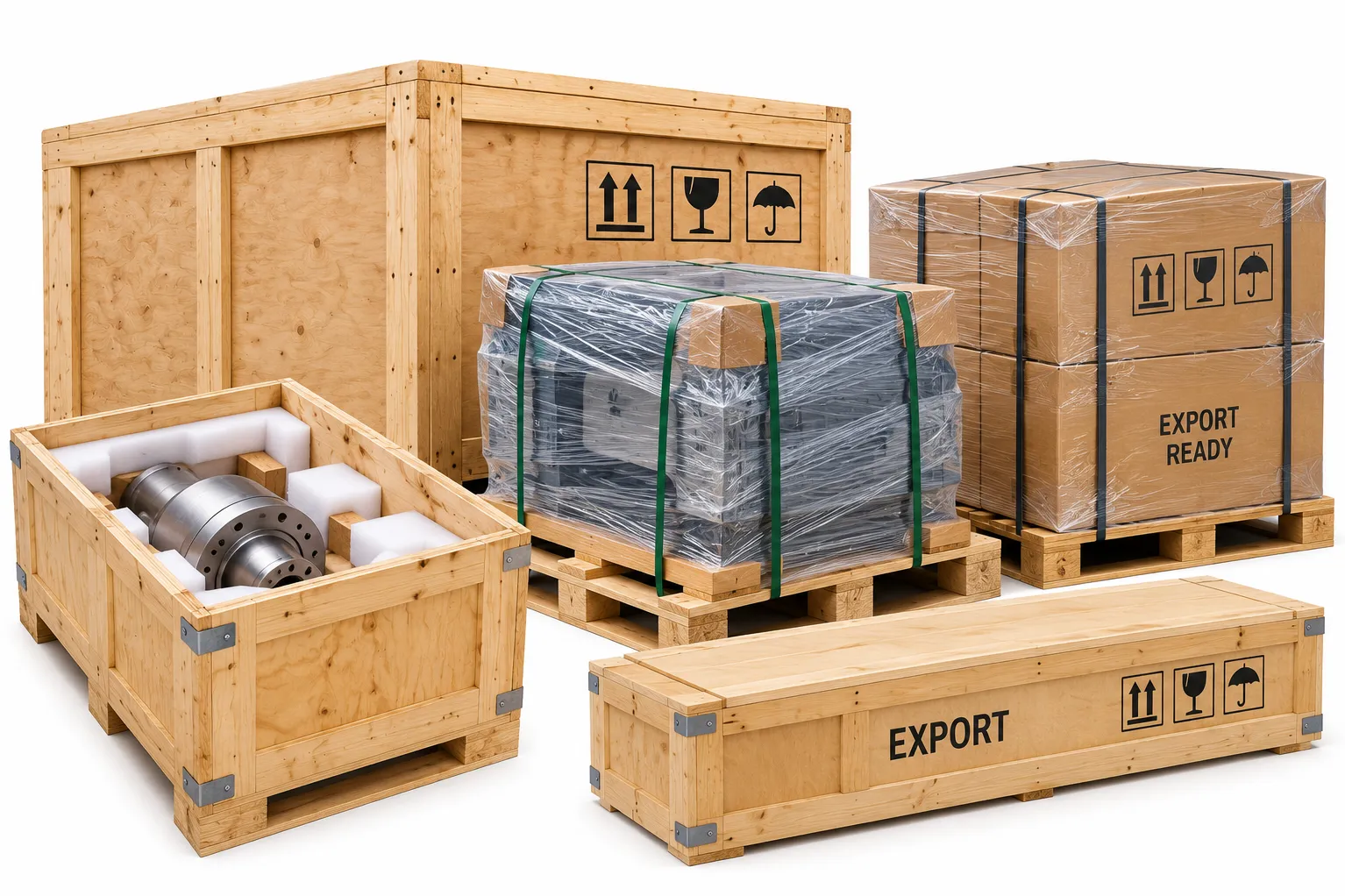
Export packaging affects more than product appearance at dispatch. It can influence cargo protection, container utilisation, handling efficiency, and the condition in which machinery reaches an overseas customer. Businesses evaluating Export Packaging Services should therefore assess technical and operational capabilities rather than selecting a provider purely on quotation value.
For exporters in Pune, a simple evaluation checklist can make provider selection easier.
Does the Provider Assess the Product?
Packaging recommendations should begin with information about the actual equipment.
A provider should ideally ask for:
- Dimensions
- Weight
- Quantity
- Product photographs or drawings
- Fragile components
- Lifting requirements
- Destination
- Transportation mode
- Storage expectations
A quotation prepared without understanding these factors may not represent the complete requirement.
Can the Packaging Be Customised?
Exported industrial equipment often has non-standard dimensions.
Customisation may be necessary for machinery, fabricated assemblies, electrical equipment, precision components, and project cargo.
The provider should be able to recommend an appropriate pallet, box, crate, internal support, or combined packaging configuration.
Is Moisture Protection Considered?
Long-distance transportation can expose equipment to changing temperature and humidity.
Where the product is moisture-sensitive, appropriate protective methods should be discussed. Metal surfaces and precision equipment may require particular attention to corrosion risk.
How Will Equipment Be Secured?
The outer package is only one layer of protection.
Ask how movement will be controlled inside the package. Depending on the load, this may involve anchoring, blocking, bracing, cushioning, or customised supports.
For heavy machinery, the strength and configuration of the base should also be reviewed.
Can Packaging Work With Container Loading?
Efficient export packaging should consider the intended container.
Package dimensions, forklift access, lifting points, weight distribution, and securing arrangements can affect loading efficiency.
Coordinating these elements before packing can reduce avoidable adjustments immediately before dispatch.
What Happens at the Customer End?
Good packaging should also support practical unpacking.
The receiving customer should be able to identify lifting arrangements and access the equipment without unnecessarily complicated dismantling.
OM INDIA works with industrial and manufacturing businesses requiring export-oriented packaging in Pune, Maharashtra. When comparing providers, evaluate the complete service scope, including assessment, customisation, structural support, internal protection, handling requirements, and logistics compatibility.
Choosing on these factors provides a more meaningful comparison than simply selecting the lowest packaging price.
Keywords